


Agent Echo
Give intelligence a place to work.
The model-independent harness I built around Echo: persistent context, tools, permission boundaries and a review process for real work.
Running inside CYSTEMS
<!--
Work info
-->
Client:
CYSTEMS
Role:
Architect and operator
Year:
2026

Project at a glance
6
Distinct review roles
1
Separate review chair
4
Levels of action authority
Memory
Context carried between sessions
The model is only one part
Echo is a harness around models, not a model I trained. I designed the context, file structure, tools and operating rules that let useful intelligence carry work forward. The distinction matters: a capable answer is a moment. An operation needs memory, continuity, permission to act and a reliable way to establish what actually happened.
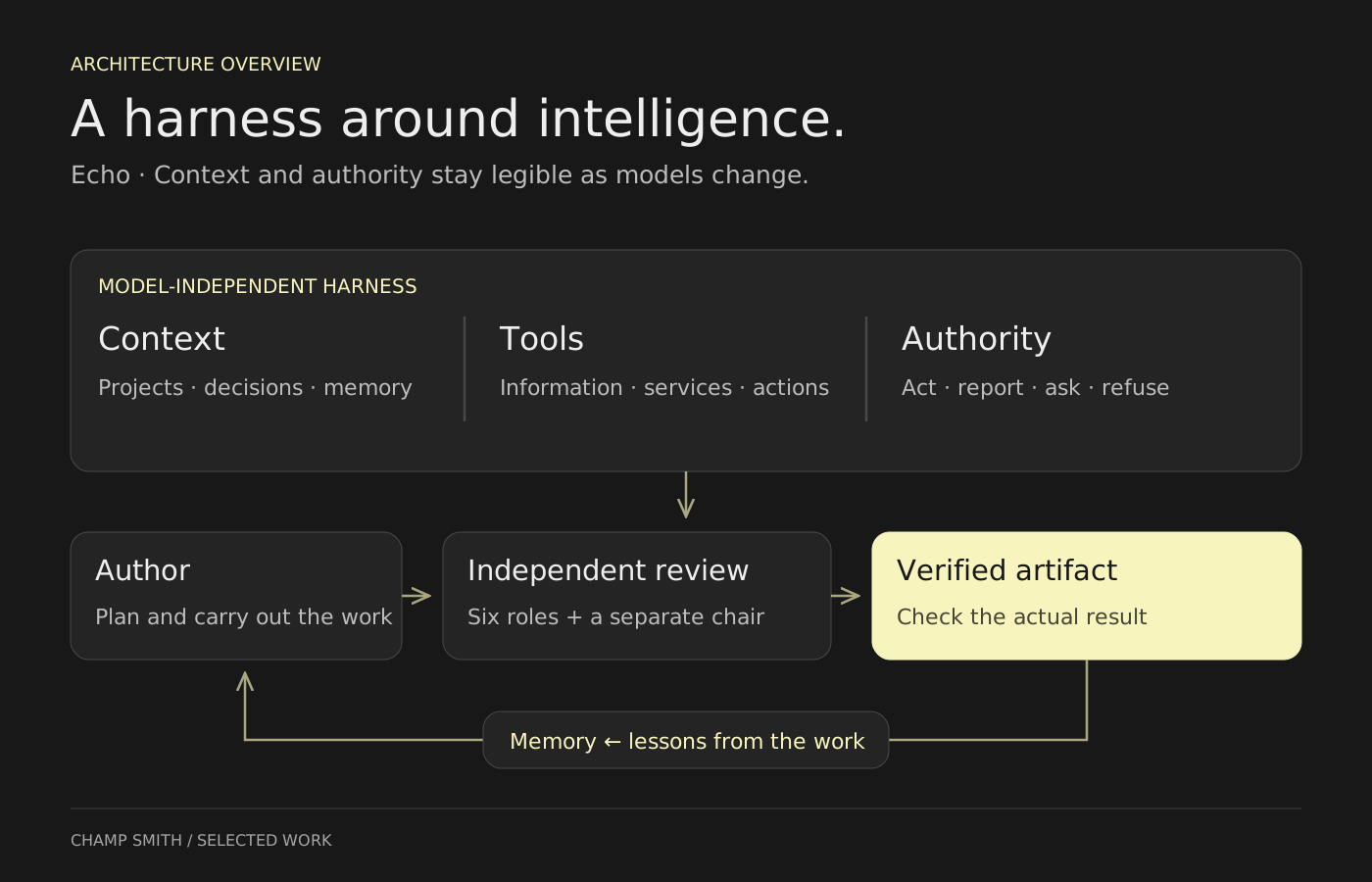
Architecture overview: context, tools and authority surround the model. Review and verification feed durable memory.
Context before orchestration
Project notes, decisions and procedures give each task a place to begin. Echo retrieves the relevant context, uses the tools the work requires and brings in specialists when a separate task or review warrants it. The structure is deliberately legible: a future session should be able to find the work, understand its state and continue it.
Autonomy with a visible boundary
I define which actions Echo can take, which require a report and which remain human decisions. Builds face distinct review roles and a separate chair; completion requires evidence from the result. Lessons return to the operating record. That combination is the project: an assistant that can do useful work while its authority and decisions remain inspectable.
How the work fits together
01 / Retrieve
Find the project context, decisions and current state.
02 / Act
Use appropriate tools within the task’s authority.
03 / Review
Challenge the work independently and verify the result.
04 / Remember
Record what changed and what the next session needs.


